
Sports Recovery Plans for Long Term Strength
Every athlete understands the exhilaration of pushing limits. Yet true progress lies not only in training but in recovery. Muscles, joints, and the nervous system all demand time to repair, adapt, and grow stronger. A structured recovery plan ensures that performance improvements are sustainable rather than fleeting. Building strength over months and years requires discipline, patience, and a thoughtful approach to restoration.
The Importance of Long-Term Strategy
While short bursts of rest are beneficial, a long term recovery plan creates the foundation for enduring performance. It is not simply about bouncing back from a single session. Instead, it is about designing recovery to align with overarching athletic goals. Long-term planning prevents burnout, reduces injury risk, and ensures steady physical evolution. Athletes who adopt this perspective discover that recovery becomes a catalyst for growth, not just a pause between efforts.
Building Strength After Training
The window after physical exertion is crucial. Muscles are fatigued, fibers are strained, and the body is primed for adaptation. To build strength post workout, athletes must incorporate nutrition, hydration, and restorative practices immediately after exercise. Protein intake supports muscle repair, carbohydrates replenish glycogen, and fluids restore balance. Gentle stretching and light mobility drills further enhance circulation, setting the stage for long-lasting strength.
Consistency as the Key to Growth
Recovery is not effective if it is sporadic. Without routine, gains remain limited and injuries accumulate. Incorporating consistent healing for gains means creating daily habits that prioritize sleep, balanced meals, and relaxation. This rhythm transforms recovery from an afterthought into a central pillar of training. Over time, consistency compounds results, allowing athletes to train harder, recover faster, and perform better.
The Training and Recovery Cycle
Athletic development is cyclical. The body is stressed during exercise, adapts during recovery, and returns stronger for the next challenge. Recognizing this training and recovery cycle is fundamental to progression. Skipping or minimizing recovery interrupts this process, leaving the body vulnerable to fatigue and overuse. Athletes who honor the cycle achieve measurable improvements in endurance, power, and resilience.
Elements of an Effective Recovery Plan
A comprehensive recovery strategy weaves together multiple elements:
- Sleep: The body restores tissues, releases growth hormones, and consolidates learning during deep rest.
- Nutrition: Adequate macronutrients and micronutrients support every physiological repair process.
- Hydration: Fluids regulate temperature, aid circulation, and optimize cellular function.
- Active Recovery: Light activities such as yoga, swimming, or walking maintain blood flow without strain.
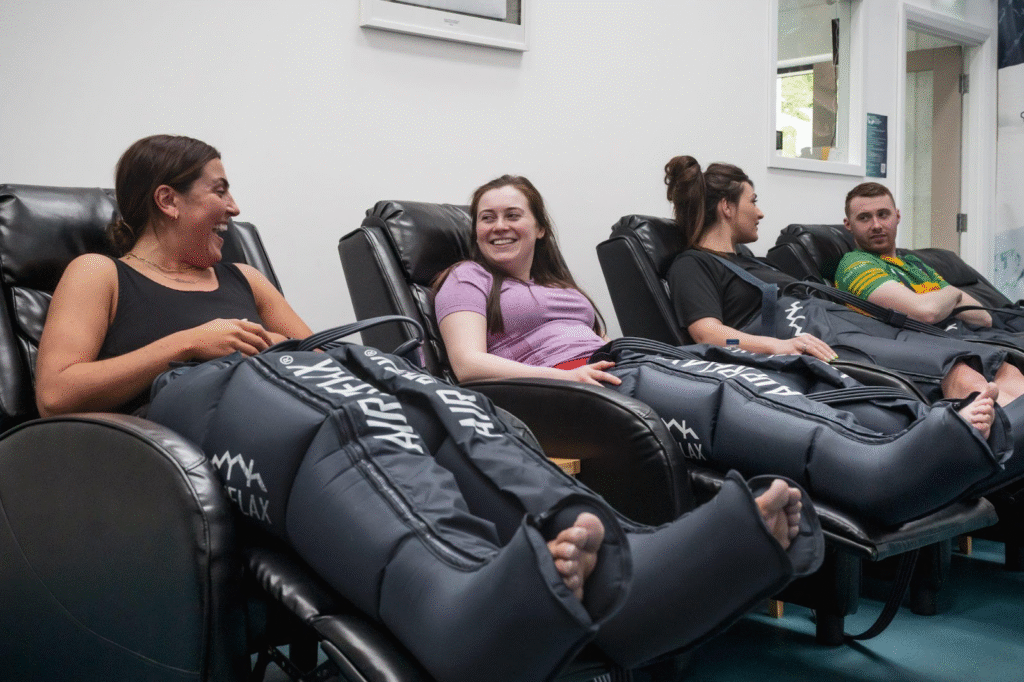
- Therapies: Massage, cryotherapy, and stretching further accelerate restoration.
Each component strengthens the overall structure of a long term recovery plan.
Mental and Emotional Recovery
Athletes often overlook the psychological dimension of recovery. Mental fatigue, stress, and pressure can erode performance as much as physical strain. Incorporating mindfulness, meditation, and time away from training grounds helps reset focus. When athletes recover mentally, they approach their training with clarity and renewed motivation. This balance enhances both performance and longevity.
Periodization and Recovery
Training schedules often follow periodization, where intensity and volume vary across weeks and months. Recovery must follow the same principle. During heavy phases, recovery strategies should be intensified, while lighter training periods can involve more active rest. Aligning the training and recovery cycle with periodization ensures peak performance at critical times, such as competitions.
Long-Term Strength Through Patience
Strength is not built overnight. It emerges through years of careful balance between exertion and renewal. By following a long term recovery plan, athletes avoid the pitfalls of overtraining and create conditions for sustainable progress. Patience becomes a powerful tool, reminding athletes that recovery is not a detour but the path itself.
Small Steps With Big Impact
Sometimes, the simplest practices yield the greatest results. Hydrating immediately after exercise, dedicating time to stretching, or creating a bedtime routine all contribute to consistent healing for gains. These small actions, repeated daily, accumulate into major improvements in performance and resilience.